

Imagine walking down a school hallway where every student feels seen, valued, and safe. It starts with a simple smile, a held door, or a thoughtful word at the beginning of a school day. Kindness isn’t just a “nice to have“. It’s the heartbeat of a thriving school. When we weave kindness into the very fabric of our classrooms, we give our students the emotional armour they need to succeed in life. So let’s explore how to turn small acts into a revolution.
What do we mean by School Kindness Culture?
 In the high-pressure environment of modern education, it is easy to view kindness as a “soft skill” or secondary to literacy rates or STEM scores. However, a robust School Kindness Culture is not just about warm feelings, as some would think.
A kindness-focused school culture is actually a strategic tool for school improvement. It is the foundation that allows academic learning to take root. Because when students feel emotionally safe, their brains are primed to learn. Conversely, when the school climate is cold or competitive, the “fight or flight” response inhibits cognitive function.
In this guide, we explore the science behind kindness, its role in reducing bullying, and practical strategies administrators can use to transform their school climate today. So why kindness, exactly?
The Science of Kindness: More Than Just a Feeling
Kindness is often viewed through a philosophical lens, but the biological evidence for the mental health benefits of kindness is undeniable. When students (and staff) practice kindness, it triggers significant physiological changes that directly combat the anxiety epidemic in schools.
 Research indicates that acts of kindness stimulate the production of serotonin and dopamine, neurotransmitters that govern satisfaction and well-being. Perhaps more importantly for educators, kindness reduces cortisol, the stress hormone. According to studies highlighted by the Random Acts of Kindness Foundation, perpetually kind people have significantly lower cortisol levels.
Dr. David Hamilton, a leading expert on the biology of kindness, notes that kindness also produces oxytocin, often called the “cardioprotective” hormone because it lowers blood pressure and reduces free radicals. So truth is that by fostering a School Kindness Culture, we are literally improving the physical heart health and lowering the stress levels of our student body. But are these the only benefits, or is there more to it?
Can Kindness Actually Reduce Bullying?
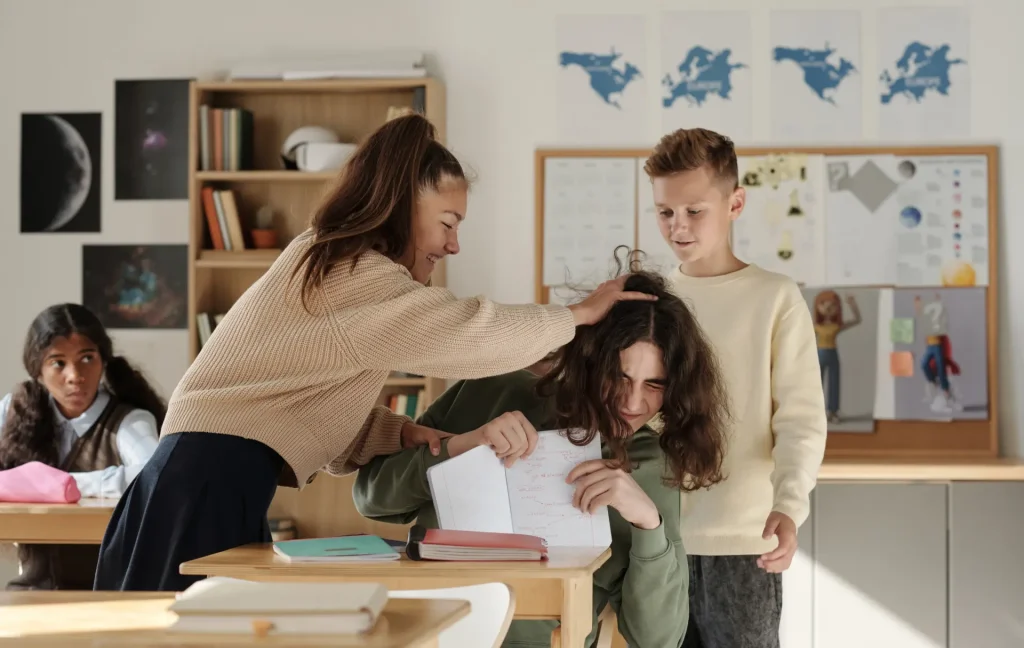 Bullying thrives in environments where empathy is low and hierarchy is high. A common misconception is that anti-bullying efforts should focus solely on punishment. However, reducing bullying with kindness, specifically through Social-Emotional Learning (SEL), is far more effective. Research shows that SEL interventions can effectively reduce bullying behaviours by approximately 20-23%. This works because kindness acts as an antidote to aggression:
- Empathy vs. Aggression: You cannot simultaneously be empathetic and aggressive. Kindness activities train the empathy muscle, making it psychologically difficult for a student to bully a peer they have just connected with.
- The Bystander Effect: In a strong kindness culture, bullying becomes socially unacceptable. Students are more likely to intervene or report issues because they know the culture supports “upstanders,” not passive bystanders. But how exactly can schools build kindness into the school culture?
Practical Strategies to Build a Kindness-Based Culture
Creating this kindness culture in a school requires more than a once-a-year assembly or a gifting activity around Christmas time. It requires consistent, daily integration of kindness into everything that happens at school. Here are some actionable steps to help you build a positive school climate:
 1. Implement High-Visibility Kindness Activities for Students
 1. Implement High-Visibility Kindness Activities for Students
Visibility matters. When students see kindness, they are more likely to replicate it.
- The “Take What You Need” Wall: Create a bulletin board filled with sticky notes containing positive affirmations. Students can take one when they are feeling low.
- The Buddy Bench: For younger grades, a designated bench on the playground signals that a student is looking for a friend, inviting others to ask them to play.
- Compliment Circles: Dedicate the last 5 minutes of Friday classes to “shout-outs,” where students recognise peers for help or kindness shown that week.
2. Integrate Kindness into the Curriculum
 Kindness should not be an “add-on”; it should be woven into existing lessons.
- History: When studying historical conflicts, ask students to identify moments where empathy could have changed the outcome.
- Literature: Analyse characters not just by their plot actions, but by their emotional impact on others.
3. Teacher Modelling and Staff Wellbeing
Students watch what we do more than they listen to what we say. Administrators must ensure that staff interactions are modelled on respect. Furthermore, teachers cannot pour from an empty cup. A kindness culture must extend to the staff lounge, ensuring educators feel appreciated and supported.
Engaging the Broader Community
A school does not exist in a vacuum. If students practice kindness in the classroom but step into a disconnected or cynical world outside the gates, the lessons often fail to stick. To truly cement a School Kindness Culture, you must create an ecosystem where the values of empathy and respect are echoed at home and in the neighbourhood.
Here is how to extend your impact beyond the school walls:
Shift from “Volunteering” to “Service Learning”
 Move beyond one-off charity days and implement Pay It Forward Projects that require students to plan and execute the kindness themselves. This builds student agency and shows them they have the power to impact their world.
- Intergenerational Kindness: Partner with local senior living facilities. Instead of just a one-time visit, establish a “Pen Pal” program where students write bi-weekly letters or record video greetings. This combats loneliness in seniors while teaching students the lost art of thoughtful communication.
- Community Caretaking: Have classes “adopt” a local park or street. Regular clean-ups teach environmental stewardship as a form of kindness to the community.
- The “Kindness Currency”: Encourage students to “pay” for privileges (like extra recess) not with money, but with documented acts of service outside of school hours.
 Deepen Parent Partnerships
 Deepen Parent Partnerships
Parents are your most powerful allies, but they often lack the language to support Social-Emotional Learning (SEL) at home. We need to bridge the gap between “How was school?” and “Who did you help today?“
- Kindness Conversation Starters: Include a “Dinner Table Challenge” in your weekly newsletter. Provide prompts like: “Tell me about a time you saw someone being left out today; what did you do?” or “Who is the quietest person in your class, and what do you think they are good at?”
- Family Kindness Bingo: Send home a bingo card at the start of the month with squares like “Helped a neighbour,” “No screens during dinner,” or “Wrote a thank you note to a relative.” Families that complete a row get a shout-out in the school assembly.
Build Local Business Alliances
Make your School Kindness Culture visible in the town square. This reinforces to students that their community values what they are learning.
- “Kindness Certified” Stickers: Partner with local coffee shops, libraries, and stores. If a student is “caught being kind” by a shop owner, they get a stamp or a small reward. Conversely, ask local businesses to display a “Proud Supporter of [School Name]’s Kindness Campaign” sticker in their window.
- The Positive Digital Footprint: In an era of cyberbullying, ask local tech or media companies to sponsor a “Digital Kindness” workshop, teaching students (and parents) how to leave positive comments and be “upstanders” online.
Creating this ecosystem of support ensures that your School Kindness Culture isn’t just a 9-to-3 initiative. It becomes a community-wide identity. However, while the “warm and fuzzy” feeling of a connected community is rewarding, school leaders ultimately deal in data. To sustain these programs long-term and secure necessary funding, we must move from anecdotes to analysis. We know it feels better, but how do we prove it is actually working? Next, let’s look at how to translate these intangible moments into tangible metrics.
Measuring the Impact of Kindness in School: Beyond the “Vibe”
 How do you know if your School Kindness Culture is working? While the “feeling” in the hallways is a strong indicator, hard data tells the story to school boards and stakeholders.
Look for these key metrics:
- Decreased Disciplinary Referrals: As empathy rises, physical and verbal altercations should fall.
- Improved Attendance: Students want to be where they feel safe. Research shows that a positive school climate acts as a protective factor against chronic absenteeism.
- Academic Focus: With lower cortisol levels, time on task usually improves.
The Story Behind the Statistics
Ultimately, however, we must remember that data is just a story told in numbers. A 20% drop in office referrals isn’t just a statistic. It represents hundreds of hours of preserved instructional time and dozens of students who learned to self-regulate rather than lash out. Similarly, an increase in attendance isn’t just about compliance; it is a signal that your most vulnerable students feel like they belong. A successful culture shows up in the spreadsheets, yes, but it starts in the hearts of your students. And this emotional foundation is the single best investment you can make for their future.
The Ripple Effect: Building a Legacy That Lasts
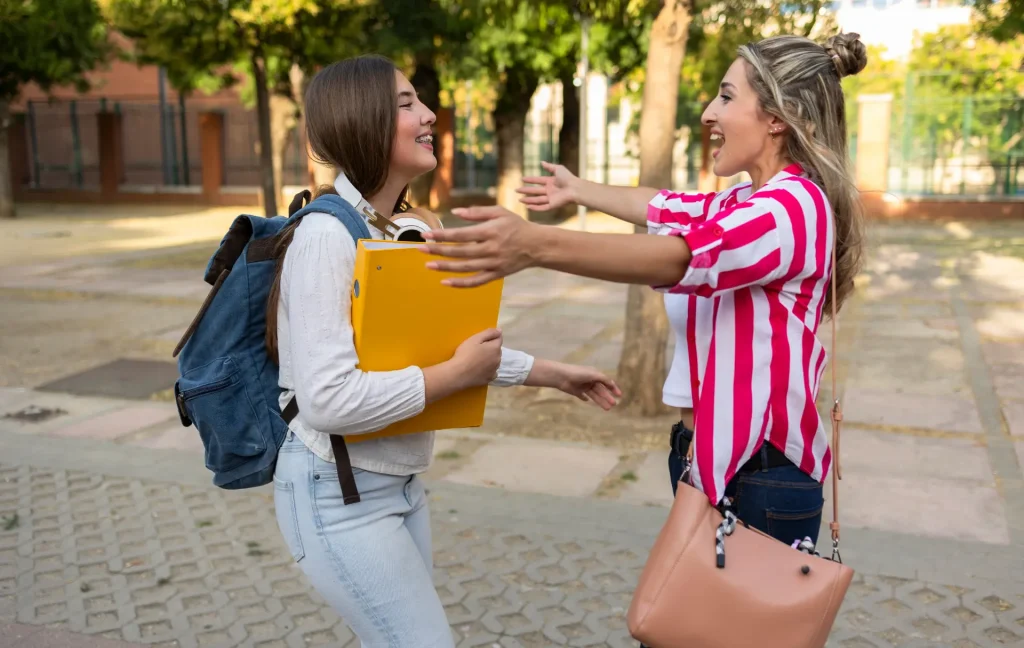 Building a School Kindness Culture is perhaps the most profound investment we can make in our educational system. It shifts the daily experience from one of mere survival to one of true thriving for our students and staff. When we prioritise this work, we create a sanctuary where young minds feel safe enough to soar.
Do not underestimate the power of the micro-moment. A single smile, a genuine greeting at the door, or one thoughtful lesson plan is often the spark that lights the fire. The revolution doesn’t have to wait for a five-year strategic plan. It starts right now, with you. Choose just one strategy from this guide to implement today, and watch the ripple effect begin.
Frequently Asked Questions: Building a Thriving School Kindness Culture
1. How can we promote a culture of kindness in our schools?
Promoting a culture of kindness requires consistency, adult modelling, and the integration of social-emotional learning (SEL) into daily life. It starts with school leadership setting the tone, but is sustained by empowering students to take ownership of the climate through peer-to-peer recognition and kindness initiatives.
2. What are some simple kindness activities for students?
There are many low-cost kindness activities for students that yield high impact. These include writing thank-you notes to cafeteria staff, utilising a “buddy bench” for lonely students during recess, or holding classroom compliment circles where peers validate one another.
3. Can a school’s kindness culture actually reduce bullying?
Yes. A strong School Kindness Culture increases student connectedness and empathy, which are direct inhibitors of aggression. When kindness is the norm, bullying becomes socially unacceptable, and students are more empowered to intervene as upstanders rather than remaining passive bystanders.