
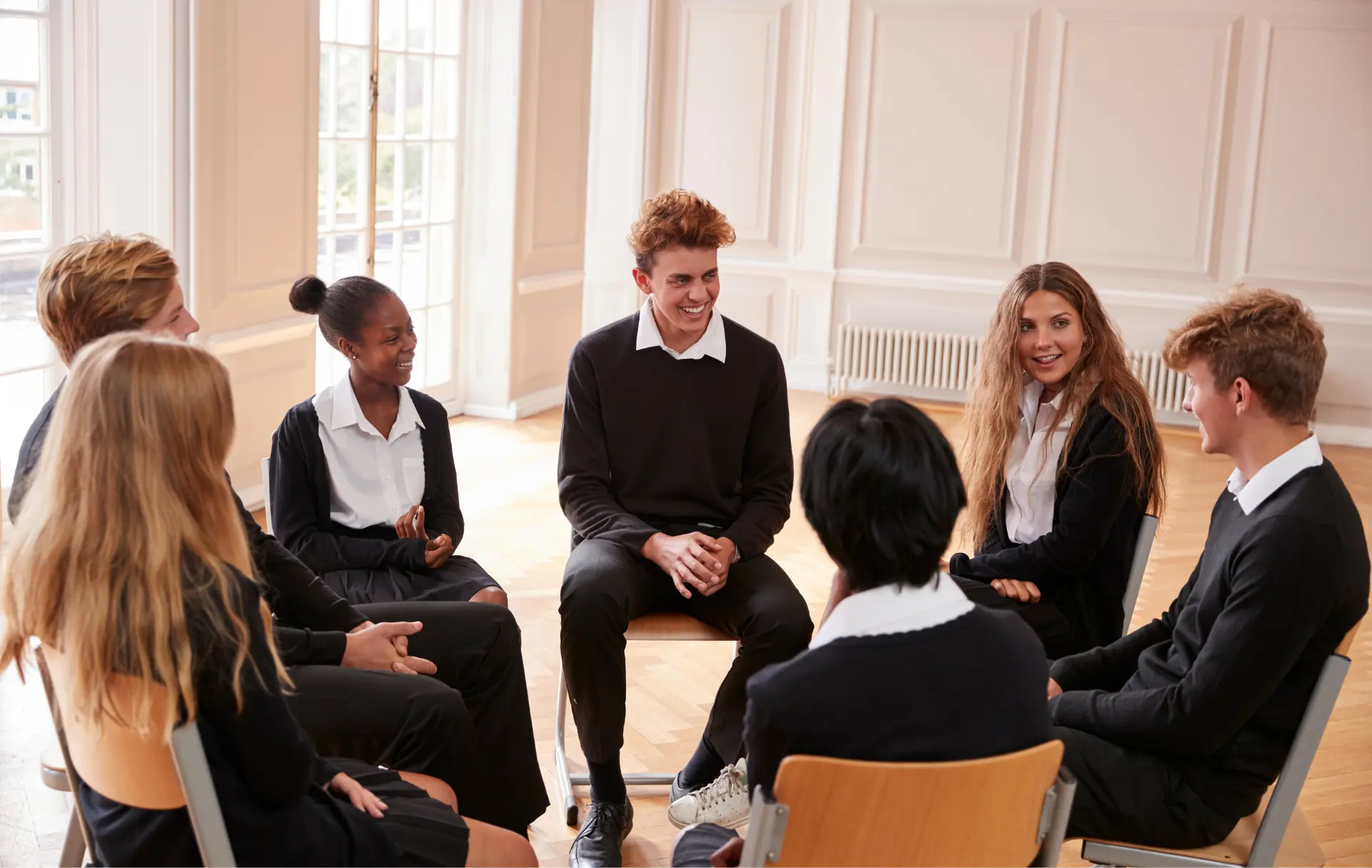
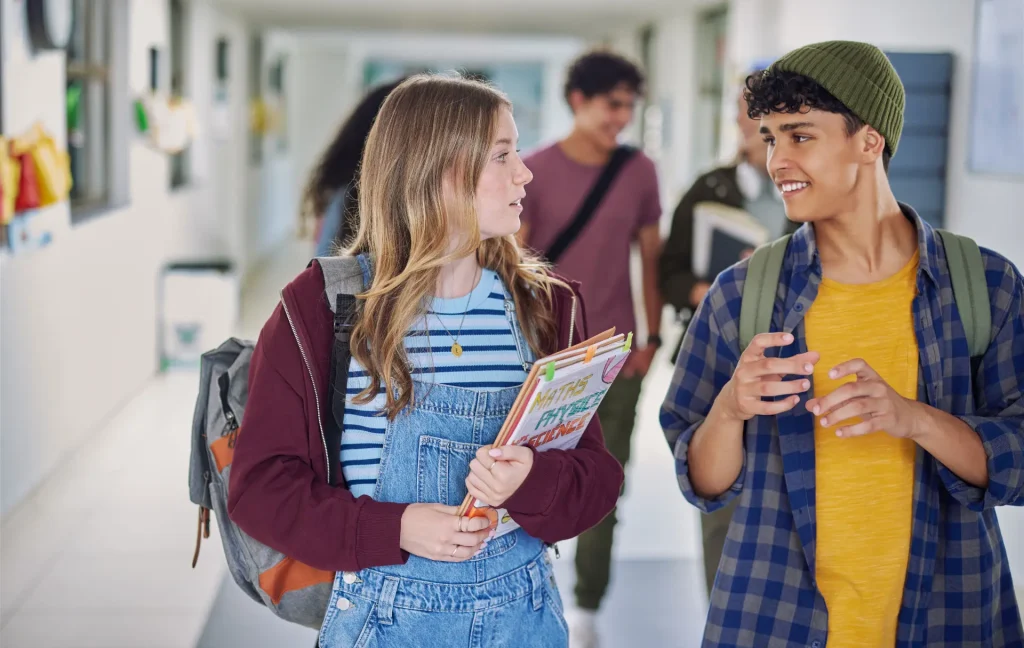
Some students open up more to a classmate than to an adult. And that’s not a flaw, it’s a powerful opportunity.
Because peers often see what adults don’t: the fleeting sadness, the hesitant hand-raise, the quiet seat at the back. Peer support programs tap into that closeness and trust, turning everyday relationships into pathways for belonging, compassion, and early support.
Why Peer Support Programs Matter for Student Wellbeing
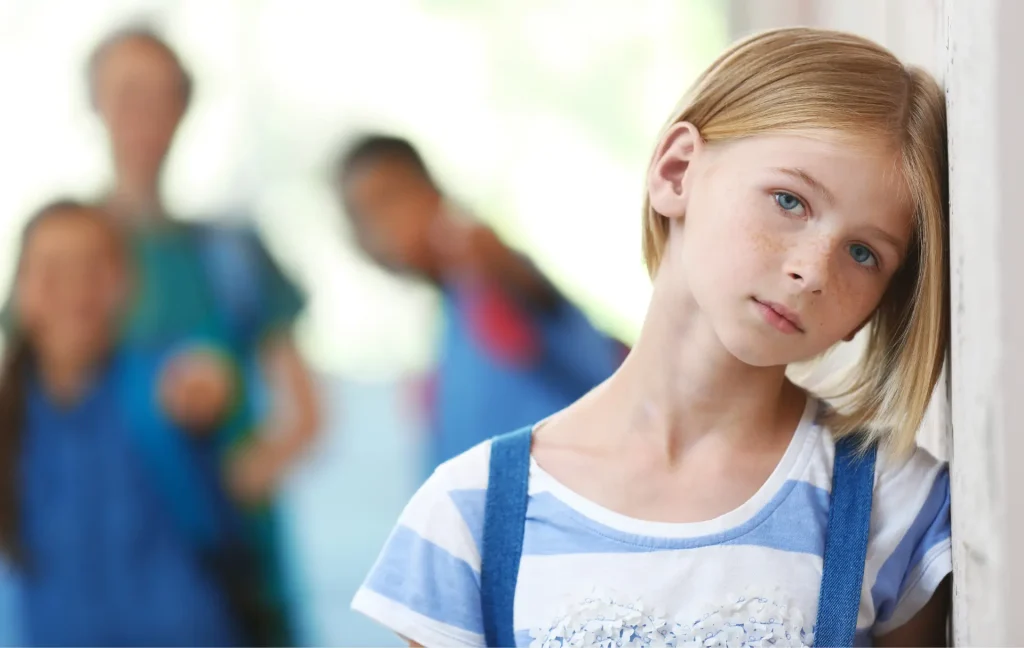 Adolescence isn’t just about grades and hormones. It’s also about longing: for acceptance, for being seen, for feeling safe. When schools rely solely on teachers or counsellors, they overlook a hidden power: the peer connection.
Students may hesitate to share everything with adults. But they often speak freely with classmates, especially those who feel they “get it.” That’s why peer support isn’t just a “nice to have”. It’s a crucial strategy for building emotionally healthy school communities.
What Is Peer Support in Schools, and What It’s Not
 Peer support comes in many shapes. Think:
- Buddy systems (older students pairing with younger ones)
- Peer mentoring and peer-led clubs focused on wellbeing
- Student “wellbeing ambassadors” or peer counsellors
- Informal peer-to-peer check-ins and listening networks
But one thing peer support is not: clinical therapy. Peer supporters shouldn’t be expected to diagnose, treat, or “fix” mental health issues. Instead, they offer connection, empathy, and a listening ear. And, when needed, a signpost to trusted adults.
The strength lies in relatability. Peers speak the same language, feel the same pressures, and often notice things adults miss.
 Why Peer Support Feels More Essential Than Ever
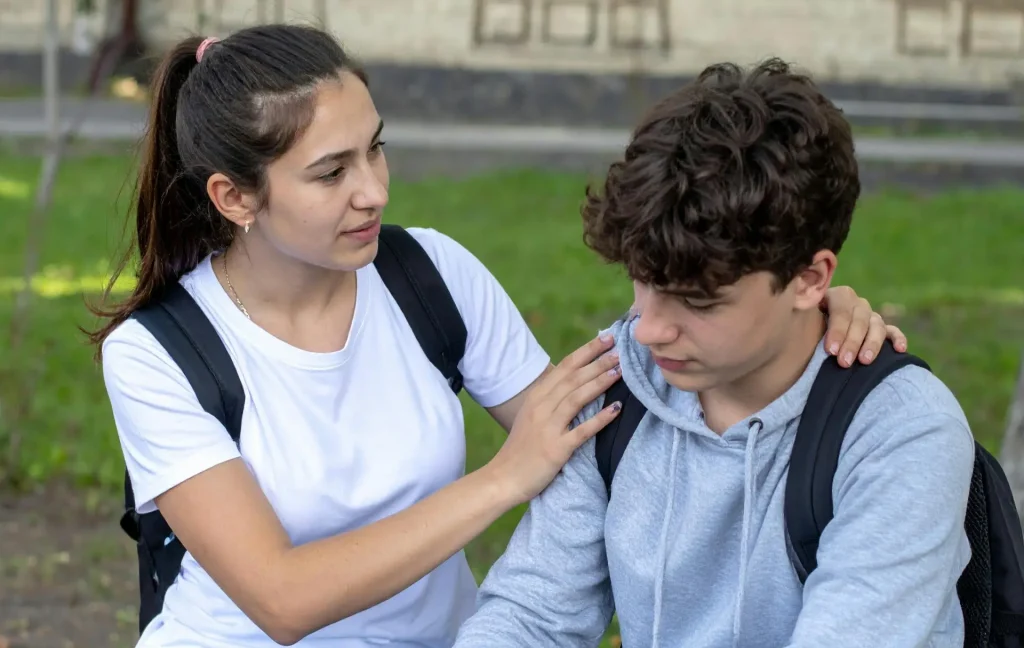 Why Peer Support Feels More Essential Than Ever
- Many students grapple with social anxiety, loneliness, and academic or exam stress.
- Family situations or personal vulnerabilities sometimes make students hesitant to reach out to adults.
- Digital lives can feel isolating even while “connected,” creating a need for real human contact.
- Schools that rely only on staff-led help may stretch themselves thin or miss early signs.
Peer networks act as early-warning systems: a friend noticing withdrawal, a buddy picking up on a mood shift, a peer mentor catching tension before it escalates. That early notice and early support can make all the difference.
How Peer Support Programs Strengthen School Culture
 A Culture of Support, Not Silence
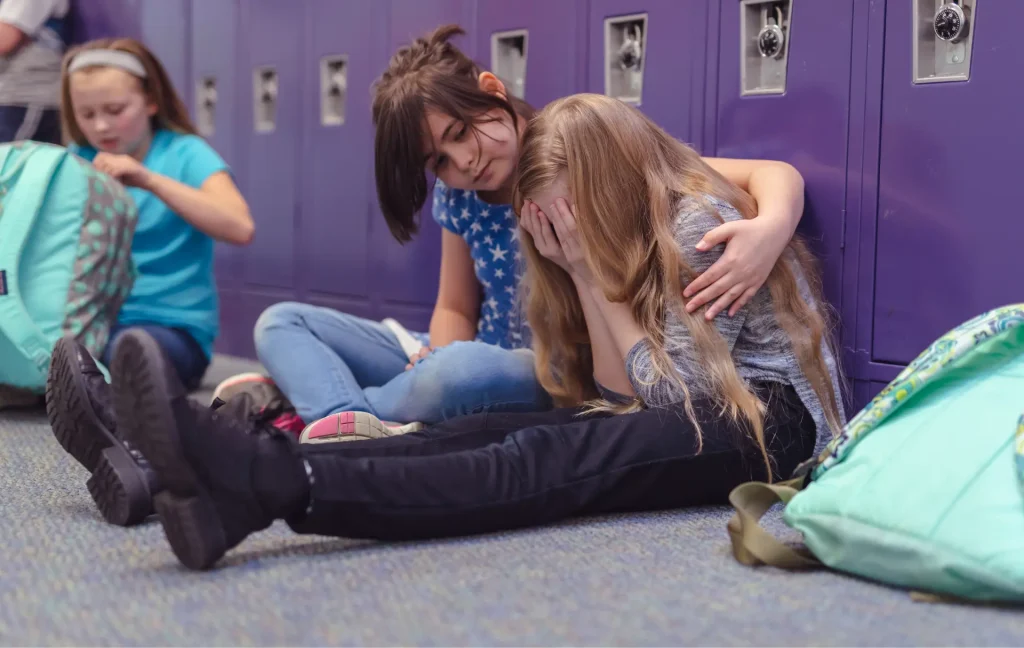 A Culture of Support, Not Silence
Peer support normalises vulnerability. It sends the message: “It’s okay to struggle. It’s okay to ask for help.” Over time, this reduces stigma around emotions and mental health.
Student Leadership, Real Ownership
When students lead, as mentors or ambassadors, they gain empathy, leadership, and a sense of responsibility. Younger or more vulnerable students get trusted peers who understand them.
 A Complement, Not a Replacement
 A Complement, Not a Replacement
Peer support isn’t a substitute for teachers, counsellors, or formal wellbeing programs. Rather, when done right, it multiplies their impact. Peer supporters notice earlier, refer cases more quickly, and help spread a culture of care.
How to Set Up a Peer Support Program Step by Step
 Step 1: Clarify Purpose & Boundaries
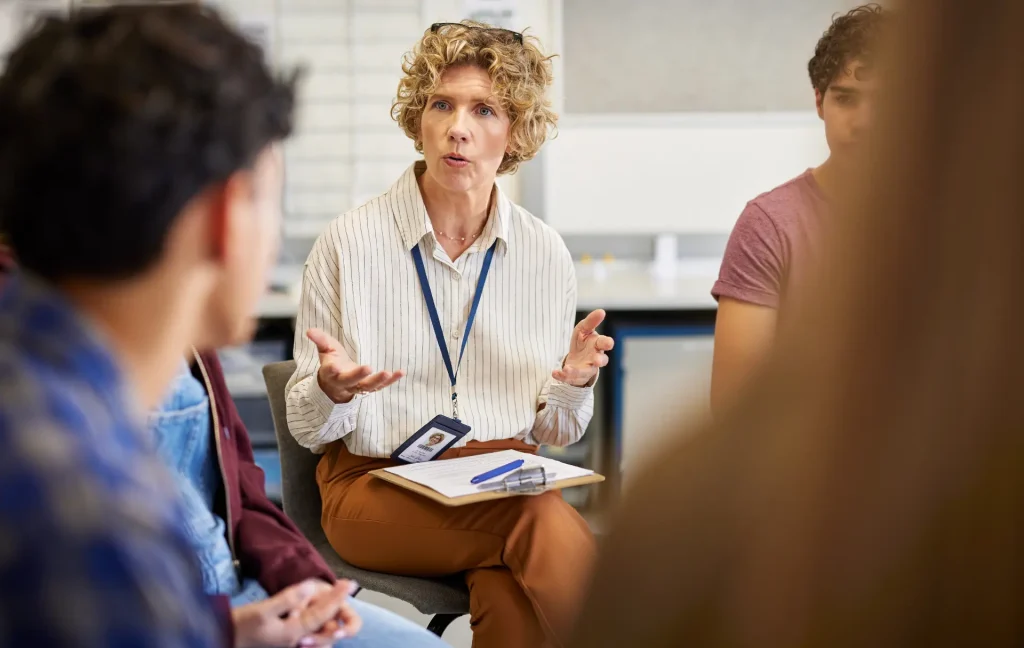 Step 1: Clarify Purpose & Boundaries
Start by defining what peer supporters can and cannot do. They’re there to listen, empathise, and encourage. Not to diagnose or counsel. Provide written guidelines.
Step 2: Train Students! Don’t Skip This Step
Offer basic training in active listening, confidentiality rules, spotting signs of distress, and how to escalate when necessary. Scenario-based practice helps.
 Step 3: Open Invitations (Not “Only the Top Students”)
 Step 3: Open Invitations (Not “Only the Top Students”)
Invite any student who’s interested and empathetic. The strongest peer supporters aren’t always the loudest. Sometimes they’re the quietly kind ones. Diversity matters.
Step 4: Create Safe, Visible Spaces
Designate a peer-support room, drop-in hours, or structured “buddy check-in” moments. Ensure peers know where to go if they need adult help.
 Step 5: Embed Adult Oversight & Support
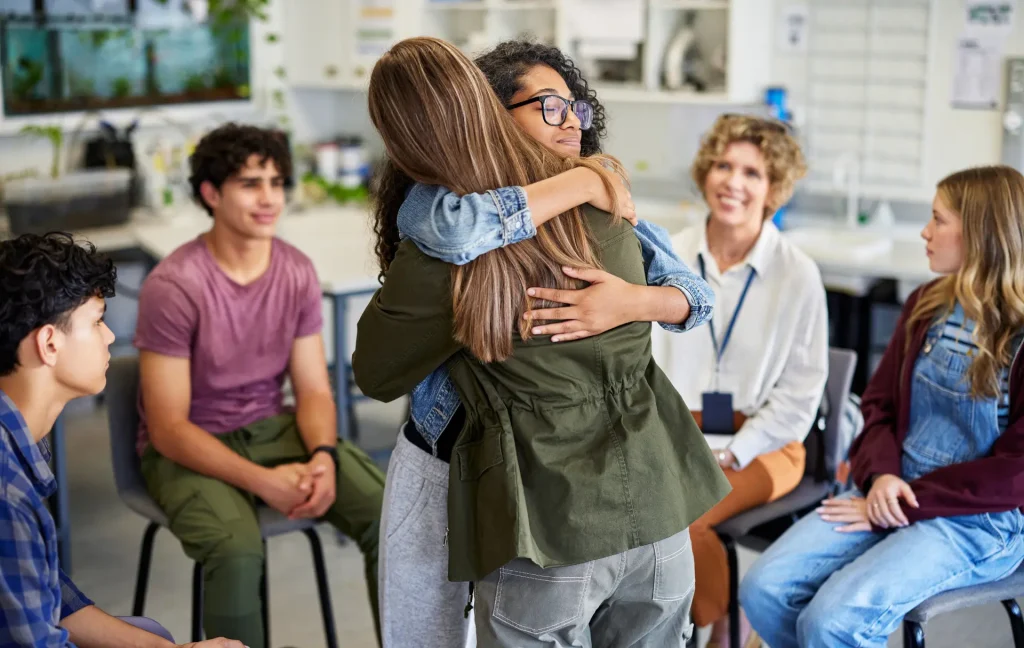 Step 5: Embed Adult Oversight & Support
Peer supporters need supervision. Not micromanagement, but regular check-ins, debriefs, and a trusted adult they can escalate to.
Step 6: Celebrate & Sustain the Program
Recognise peer supporters: small certificates, shout-outs, or even informal “thank you” notes. Reflection meetings help them learn and improve.
 Bringing Stakeholders Onboard: Who Needs to Be Involved
 Bringing Stakeholders Onboard: Who Needs to Be Involved
- School Leadership: to give institutional backing, resources, and visibility.
- Staff & Counsellors: to provide training, supervision, and support.
- Students: ideally across grades, backgrounds, and social groups.
- Parents & Community: to understand the value and reassure them around safety and boundaries.
When everyone sees peer support as part of the school’s wellbeing ecosystem, not just a nice add-on, the impact becomes sustainable.
Peer Support Program Challenges and How to Overcome Them
| Challenge | Strategy |
| Student hesitation or shame | Launch with a pilot group; communicate purpose clearly; model vulnerability from staff and older students. |
| Staff scepticism or misunderstanding | Present research on peer support benefits; highlight that it’s not therapy, but a complementary support layer. |
| Time constraints | Embed peer support in existing contexts, e.g. breaks, lunch hours, transitions, instead of adding new lessons. |
| Risk of overburdening student supporters | Keep roles voluntary; provide training and supervision; rotate or limit duties fairly. |
Starting small, say with one grade or one club, helps test what works before scaling up.
 Conclusion
 Conclusion
Peer support isn’t a silver bullet. But it is one of the most human, underused tools schools have. When students mentor each other, listen to each other, and hold space for one another, the result isn’t just individual wellbeing. It’s a school culture that says: You matter. You belong. You’re not alone.
And sometimes, that gentle belonging, that quiet handshake across desks, that’s exactly what helps someone keep going.
Do you have peer support programs or systems in your school?
FAQs Peer Support Programs
1. Are peer support programs safe for students?
Yes, when properly structured. Safety comes from clear guidelines, training, voluntary participation, and adult supervision. Peer supporters are not counsellors; they are companions and listeners. Their job is to offer empathy, connection, and guidance, and to refer peers to trusted adults when needed. With the right scaffolding, peer support is both safe and effective.
2. How can schools choose students for peer mentoring roles?
Rather than selecting only top performers, invite any student who feels drawn to help others. Empathy, reliability, and sincerity matter more than grades. A diverse group across genders, grades and social circles will reach more students. Offer training and support so peer mentors feel confident, not overwhelmed.
3. What’s the best way to start a peer support program at school?
Begin small: a pilot group, a buddy system between two grades, or a student-led wellbeing club. Define clear roles and boundaries. Offer basic listening and referral training. Provide adult supervision. Make the program visible and voluntary. Then reflect, gather feedback, adapt, and scale if it works.