

Our Students: Digital Natives
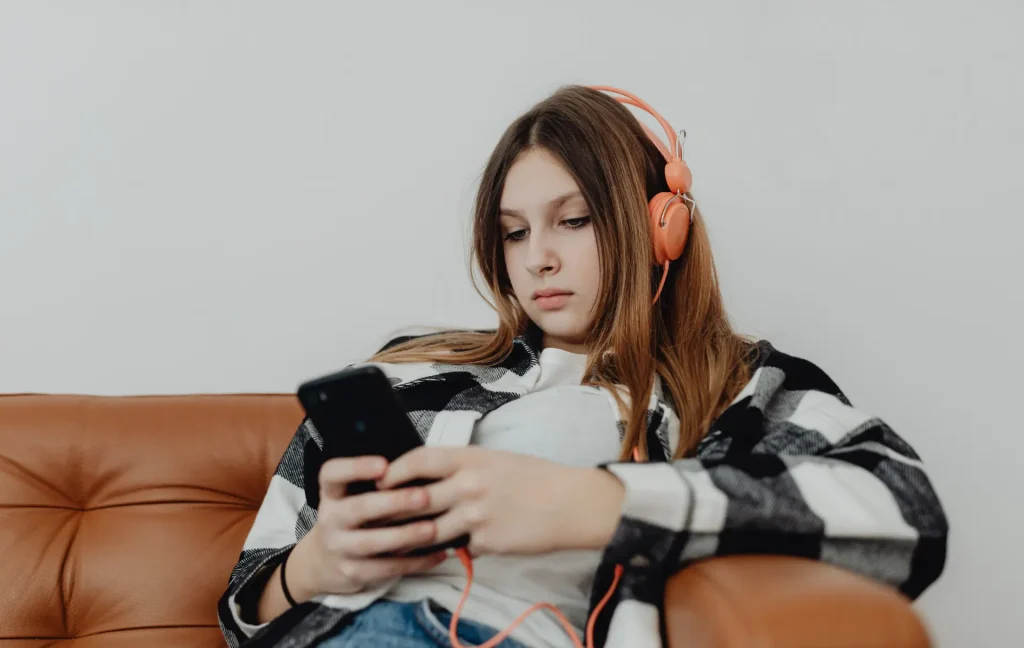 Remember when the most significant distraction in class was passing handwritten notes? Compare that to today, where students effortlessly maintain Snapchat streaks spanning years or create fully functional websites using AI tools before even stepping foot into high school.
Today’s students are digital natives, born in a digital environment that extends far beyond the classroom, and averaging an impressive 7 hours and 22 minutes of non-school-related screen time each day.
For school leaders, this digital landscape shift represents both incredible opportunities and serious challenges at the same time, though.
 On one hand, technology enables valuable resources like online counselling services and personalised learning tools, significantly reducing stress and anxiety in students.
On the other hand, unchecked tech usage can amplify issues such as cyberbullying and social media-induced anxiety.
So how can we leverage technology effectively to enhance student wellbeing, while carefully avoiding the dangers of excessive screen time and cyber threats?
Let’s examine both sides of this ethical dilemma, and dive into some practical strategies as well as actionable advice to help you successfully balance digital innovation with student wellbeing.
The Upside: Technology Fuels Wellbeing
When thoughtfully researched and integrated, technology can significantly enhance our students’ emotional and mental wellbeing.
Here are some meaningful ways schools can use technology for wellbeing:
 Increased Access to Support
 Increased Access to Support
Gone are the days when students had limited access to mental health resources outside school hours.
Today, digital solutions mean support is literally at their fingertips, 24/7, and even free of charge in some cases.
Online spaces like Kooth (not an ad!), that offer counselling services, tele-therapy sessions, or text-based crisis lines are providing essential lifelines, especially for students who feel uneasy about face-to-face interactions.
Picture the quiet, anxious teen who would never dare knock on a counsellor’s door but comfortably texts their worries at midnight.
Digital tools empower these students to take proactive steps toward wellbeing, in a space they feel safe.
Building Connections and Community
 We often hear the cliché that “technology isolates us,” but ironically, it can also profoundly unite us and help us maintain long-distance friendships easier than ever.
Digital platforms provide students with opportunities to form meaningful connections, whether through virtual clubs, online peer support groups, or collaborative projects spanning multiple continents.
For instance, students interested in niche topics, such as anime, astronomy, or activism, can effortlessly find communities and bond with others who share their passions.
For an isolated teen, this digital camaraderie could transform their entire school experience from loneliness to belonging.
Personalised Learning & Reducing Stress
 “One size fits all” should be reserved for baggy t-shirts, not education. Change my mind if you can!
Personalised EdTech tools and platforms like learning management systems allow students to learn at their own pace and according to their individual needs, greatly reducing academic stress.
Advanced analytics can even alert teachers to students who might be silently struggling academically, allowing timely interventions before stress turns into burnout.
Imagine the relief of a teacher who can finally spot those invisible signs of a student falling behind, thanks to real-time data. Tech just made their jobs significantly easier.
Wait…Others, too, Suffer from Anxiety?
 Let’s be real: mental health can still feel like a taboo topic, even in our increasingly open-minded society. But thankfully, platforms like social media and blogs are slowly shifting this narrative.
Students can now follow influencers openly discussing anxiety or watch TikTok videos packed with coping strategies and relatable experiences.
This public discourse normalises mental health talk, making students feel less isolated in their struggles, and that matters immensely. Just make sure you monitor who and what type of content they trust!
Now that we’ve discussed the benefits, it’s time to examine the risks of exposing our students to even more technology for the sake of wellbeing.
The Downside: Challenges Technology Poses to Student Wellbeing
Here’s a realistic look at some significant challenges this might bring on:
Excessive Screen Time & Digital Overload
 Ever found yourself scrolling mindlessly, only to realise hours have evaporated into thin air?
Our teens most certainly have, and it’s more serious than just losing time.
Excessive screen time has tangible effects, including disrupted sleep patterns, increased levels of anxiety, and reduced overall wellbeing.
For school leaders, this translates into concerns about digital addiction and students who are perpetually distracted, missing out on critical face-to-face interactions and physical activities.
 Social Media Pressures and Cyberbullying
 Social Media Pressures and Cyberbullying
Social media platforms such as Instagram, X, TikTok, and Snapchat can sometimes feel like emotional minefields, especially for teens navigating fragile self-esteem and constant social comparisons.
Studies have found that 93% of young people were likely to compare themselves to others on social media.
 In that same study, 89% admitted they felt unsatisfied with their lives when comparing it to others on social media. Now compare this to our childhoods!
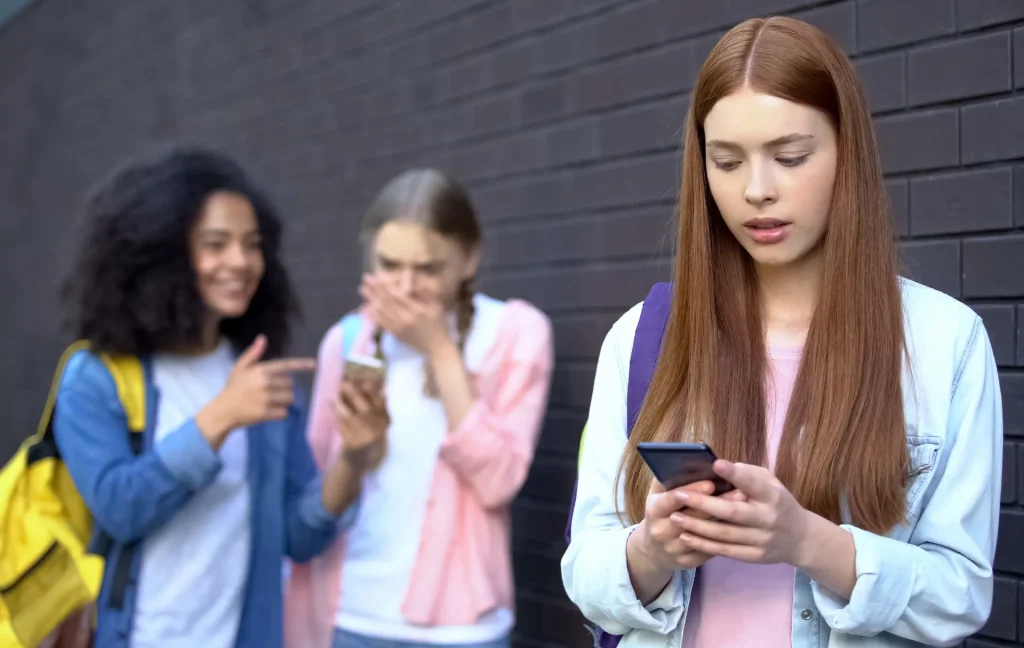
And then there’s cyberbullying, a persistent, invasive threat that doesn’t clock out when the school bell rings. In fact, the percentage of students ages 13-17 who have experienced cyberbullying at some point in their lives has more than doubled (18.8% to 54.6%) from 2007 to 2023.
Privacy, Safety, and Monitoring Concerns
 Technology-driven safety tools, such as monitoring software or keyword trackers designed to identify red flags (like self-harm searches), are well-intentioned lifesavers.
However, their use can inevitably spark conversations about privacy and ethical concerns.
Because there’s a pretty thin line between ensuring student safety and creating an environment where students feel constantly “watched.”
Tech Dependence and Mental Health
 Digital interactions are undeniably beneficial, but they can (and should) never fully replace the nuance and warmth of face-to-face connections.
Excessive reliance on digital communication can lead to weakened in-person social skills and increased feelings of isolation.
Additionally, the instant gratification provided by constant incoming notifications can disrupt students’ ability to concentrate and find genuine satisfaction in offline activities.
So let’s start with the fact that understanding these challenges isn’t about demonising technology…because the benefits might as well balance out the bad. Instead, it’s about acknowledging the two realities to be able to make wiser, more balanced choices as school leaders.
Finding Balance: Strategies for Healthy Tech Use in Schools
Our goal isn’t to get students to throw out all their devices like it’s the devil. Rather, it’s to educate them on using technology wisely and for their best interest. So here are practical and actionable strategies that you can embrace to achieve a balanced tech environment:
 Digital Citizenship & Wellbeing Education
 Digital Citizenship & Wellbeing Education
Just as students learn math or history, digital citizenship should also be included in the curriculum.
Teaching responsible social media use, promoting online kindness, and managing digital footprints are crucial lessons in today’s world for our teenagers. Equally important is teaching them how to self-regulate screen time and recognise unhealthy online habits.
Think of it as giving them digital superpowers for the internet age. They will thank you later on, I promise!
Screen Time Policies and Tech-Free Spaces
 Your school can choose to establish phone-free zones or times to encourage face-to-face interaction between students.
In Finland, the Parliament voted a law that will prohibit* the use of mobile phones by students during school time starting this September.
They also became well known for their high PISA test results, and now they are making a huge move from fixing the effects to preventing the phenomenon altogether.
Usage curfews for school-issued devices or policies limiting unnecessary screen assignments can further promote balance. But here’s a pro tip: involve students in crafting these policies.
We adults can sometimes forget that we’ve never lived in their age and world, and we don’t know their exact needs. They do. Let them help.
Parental Engagement and Consistent Rules
 Consistency between school and home environments can significantly boost healthy tech habits.
Schools should proactively engage parents through workshops and courses focused on managing teens’ screen time, sharing strategies or tools to support their efforts.
Aligning school and home expectations helps reinforce the message that balanced tech use isn’t just a classroom rule, it’s a necessity in life overall for our wellbeing as humans.
Monitoring with Care
 Monitoring software, while valuable for spotting potential issues like cyberbullying or self-harm, must be employed transparently and ethically.
Tools like Bark or Gaggle (not ads!) can provide critical early warnings, enabling timely intervention.
However, transparency is key. Students should clearly understand these measures are protective, not punitive, so they feel supported rather than surveilled.
Apart from this, there are also non-intrusive tools, like the Spark 360 Student Assessment that evaluates students’ wellbeing levels as well as interests, skills, and links them to possible career paths.
Promoting Positive Tech Use
 After all, why not channel students’ enthusiasm for tech into positive actions?
Initiatives like school-wide digital wellbeing challenges, like using a meditation app daily for a week, showcasing student-created mental health videos, or integrating fitness trackers in PE classes, can vividly demonstrate that technology isn’t just something to limit.
It’s more like a powerful tool for fostering good habits.
A List of Digital Wellbeing Tools and Initiatives
Exploring digital tools can feel like browsing a massive app store…overwhelming and endless. So, let’s simplify things. We’ve compiled a concise and practical list of digital wellbeing apps and tools your school can consider.
Some of these are paid tools, some are free, but they are all related to wellbeing. Oh, and they’re not endorsements, not even affiliate links, just handy examples you can explore:
 Mindfulness and Meditation Apps
 Mindfulness and Meditation Apps
- Calm (Free basic features, Paid premium): Short guided meditations perfect for classroom transitions
- Headspace (Paid): Fun, approachable mindfulness exercises designed specifically for students
- Smiling Mind (Free): Popular in Australian schools, this app provides accessible mindfulness and emotional regulation exercises tailored for young people.
 Mood-Tracking and Journaling Tools
 Mood-Tracking and Journaling Tools
- Daylio (Free basic, Paid premium): Tracks mood, activities, and sleep patterns, helping students recognise emotional triggers.
- iMoodJournal (Paid): Offers mood tracking, journaling, and insights to promote emotional awareness and self-reflection.
- How We Feel (Free): designed to help users track their emotions, identify patterns, and learn strategies for emotional regulation.
 Mental Health Support Platforms
 Mental Health Support Platforms
- NotOK App (Free): created by teens, allows users to quickly alert trusted contacts during a crisis.
- SAM (Free): provides coping techniques, mood tracking, and an anonymous community to discuss anxiety.
- Kooth (Free): free, safe and anonymous support + mini-activities to boost your wellbeing.
- 7Cups (Free + Paid options): trained volunteer listeners available 24/7 to give emotional support over online chat + support groups and community forums
- My Possible Self (Free): NHS-approved app, offers CBT exercises and personalised activities to help users address issues such as low mood, anxiety, and insomnia
 Student Safety & Monitoring Software
 Student Safety & Monitoring Software
- Bark (Paid): Monitors online activities and flags potential cyberbullying, self-harm, or threats of violence.
- Gaggle (Paid): Scans student emails and documents to catch troubling keywords and enable timely intervention.
- Securly (Free basic, Paid premium): Provides web-filtering and real-time monitoring of school-issued devices.
Productivity and Focus Tools
- Forest (Free basic, Paid premium): Encourages focus by rewarding students for staying off their phones.
- Website blockers like StayFocusd (Free): helps reduce distractions during homework time.
Tip
Don’t make the mistake of trying out too many tools and introducing them all at once. We all know where those initiatives end up….so pilot a few and gather student input before deciding anything.
Final Tip: One Platform That Connects it All
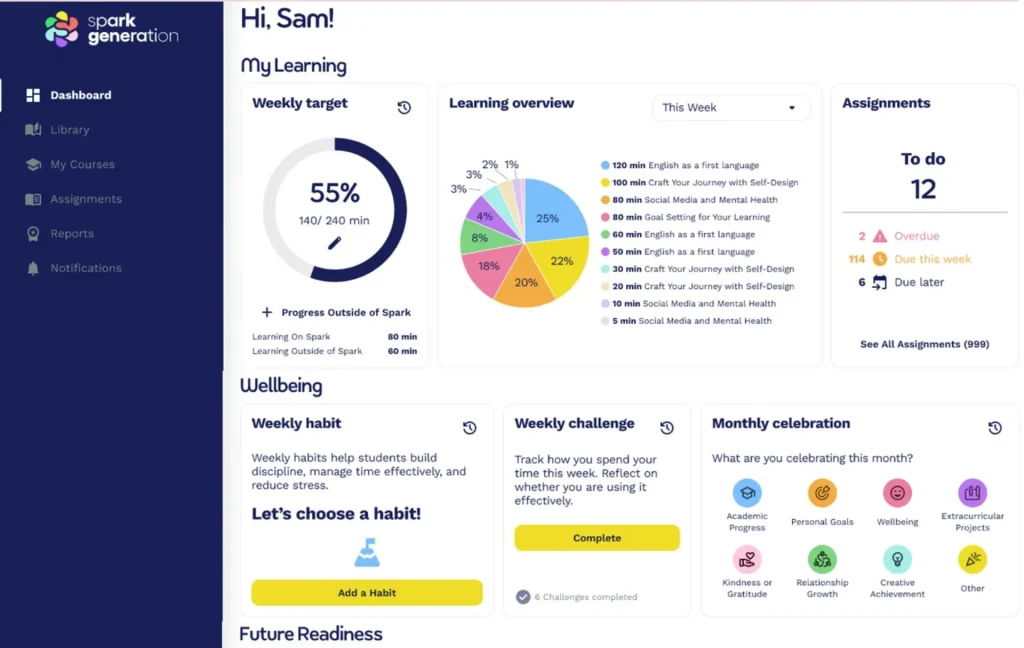 If your team has ever felt like they’re managing five different systems just to support one student, you’re not imagining things.
That’s exactly the kind of fragmentation we wanted to solve with Spark Generation.
We designed Spark as a single platform that supports wellbeing across the entire school: for students, teachers, and school leaders.
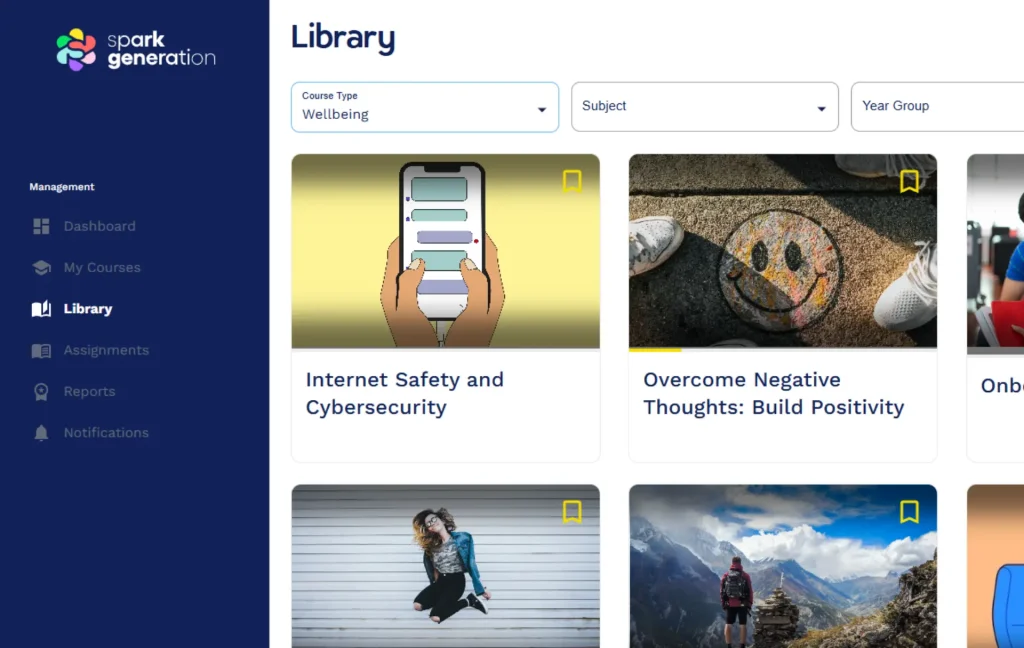 Here’s what that looks like:
- 360° wellbeing assessments for students and staff with real insights that go beyond pulse checks
- Academic courses that teachers can use or customise for their students
- Bite-sized wellbeing courses that fit naturally into the school day
- Live coaching sessions to help your team & students put wellbeing into practice, not just theory
- Real-time data and reports that give school leaders the full picture, not just scattered pieces
It’s basically one place where you can track, teach, support, and intervene, without switching tabs. And it’s created by experienced educators!
👉 Check this for a free trial for your school!
Leading Through Change: Technology is your Friend!
 If you chose to become a school leader in this era, congratulations!!! you may have picked the most unpredictable time in education history.
Between curriculum shifts, post-pandemic recovery, AI in classrooms, and wellbeing taking centre stage, the pace of change is more Formula 1 than ever.
But here’s what matters: the changes we’re navigating aren’t just chaotic, they’re meaningful.
Technology isn’t the villain of the wellbeing story. Nor is it the hero. It’s a tool, and like any tool, its impact depends on how we choose to use it.
 We’ve seen how digital tools can open up new pathways for support, community, personalisation, and proactive care. We’ve also seen how they can distract, isolate, and overwhelm.
The answer isn’t a one-size-fits-all checklist…
- It’s ongoing collaboration.
- Staying curious.
- Asking students what they need, listening to your teachers, and aligning with families.
So here’s your invitation: Don’t step back. Lean in.
Build a wellbeing strategy that embraces tech without being ruled by it.
Because when you guide your school community to use tech thoughtfully, you’re not just helping them cope with change. You’re helping them thrive in it.
Q&A Technology and Wellbeing: Opportunities and Challenges
1. What is digital wellbeing in schools?
Digital wellbeing refers to how technology use impacts students’ mental, emotional, and social health. It’s about promoting healthy tech habits while using digital tools to support learning and personal growth.
2. How can schools balance screen time and wellbeing?
Schools can introduce screen-time policies, tech-free zones, and digital citizenship lessons. The key is not eliminating tech, but using it intentionally and involving students in the process.
3. What role should school leaders play in tech wellbeing?
School leaders are the architects of digital culture. They should guide their communities to use tech responsibly, implement clear strategies, and choose tools that actually serve student wellbeing, not just add more tasks.
4. Are there any digital tools that support student mental health?
Yes. Tools like Kooth, Smiling Mind, and the Spark 360 Assessment offer real-time support, personalised wellbeing insights, and help schools monitor needs and flag struggling students without invading privacy.