
Written By Dr. Antti Rintanen, MD, founder of The Internet Doctor
Introduction
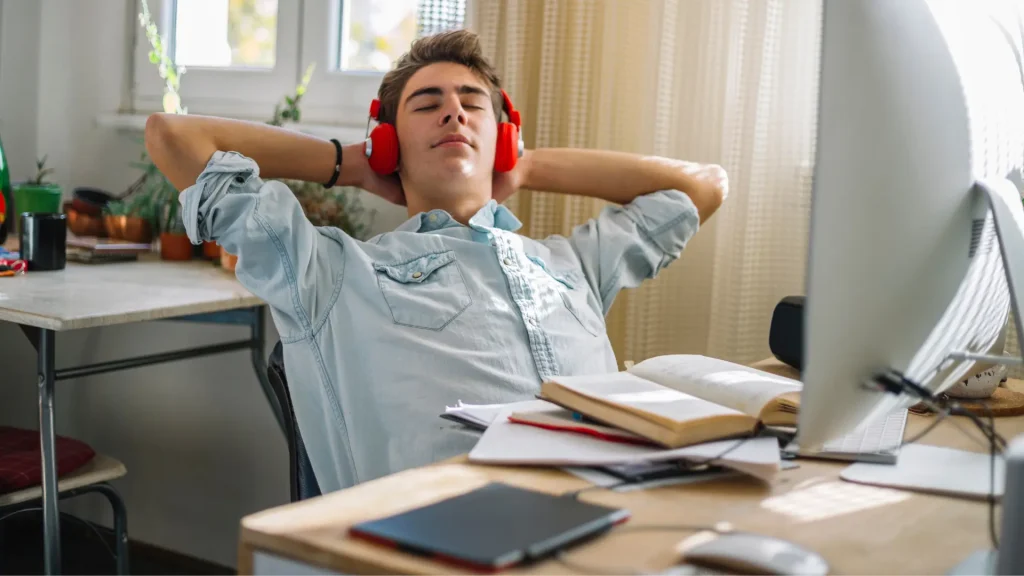 Picture this: it’s the middle of a school day. You’ve sat through back-to-back classes, your laptop screen has been glowing for hours, and despite your best efforts your concentration is slipping. Coffee or energy drinks may offer a quick jolt, but the real solution is surprisingly simple: micro-recovery.
Micro-recovery means short, intentional breaks that help the nervous system reset. Instead of pushing through fatigue, students can pause for 1–3 minutes—stretching, breathing, or simply adjusting posture—to recharge energy and focus. These tiny habits may seem too small to matter, but research shows otherwise. A 2022 systematic review and meta-analysis found that micro-breaks under 10 minutes reduced fatigue and boosted vigour across different tasks.¹ In other words, students don’t need an hour of rest to feel refreshed—just a few mindful minutes scattered throughout the day.
Why Micro-Recoveries Matter
 Modern learning is demanding. Classes are longer, screen time is higher, and many students also juggle extracurriculars, part-time work, or family responsibilities. These pressures load both the body and the mind.
When concentration dips, it isn’t always due to a lack of motivation—it’s often a sign that the autonomic nervous system is overloaded. The sympathetic branch (“fight or flight”) keeps students alert, but if it dominates for too long without a parasympathetic reset (“rest and digest”), focus and mood suffer. Micro-recovery habits work like a reset button: they calm sympathetic overdrive, restore balance, and prepare students to re-engage.
Emerging research shows this effect clearly. Frequent micro-breaks during lectures not only help students maintain attention but also protect short-term academic performance.² Similarly, active micro-breaks—like standing, stretching, or walking—improve engagement and even increase cerebral blood flow in adolescents.³ These are not luxuries; they’re practical tools for learning.
Five Micro-Recovery Habits That Work
Here are five habits any student can try between classes or during study sessions. They require no equipment, very little time, and can be done almost anywhere.
 1. Posture Reset (30 seconds)
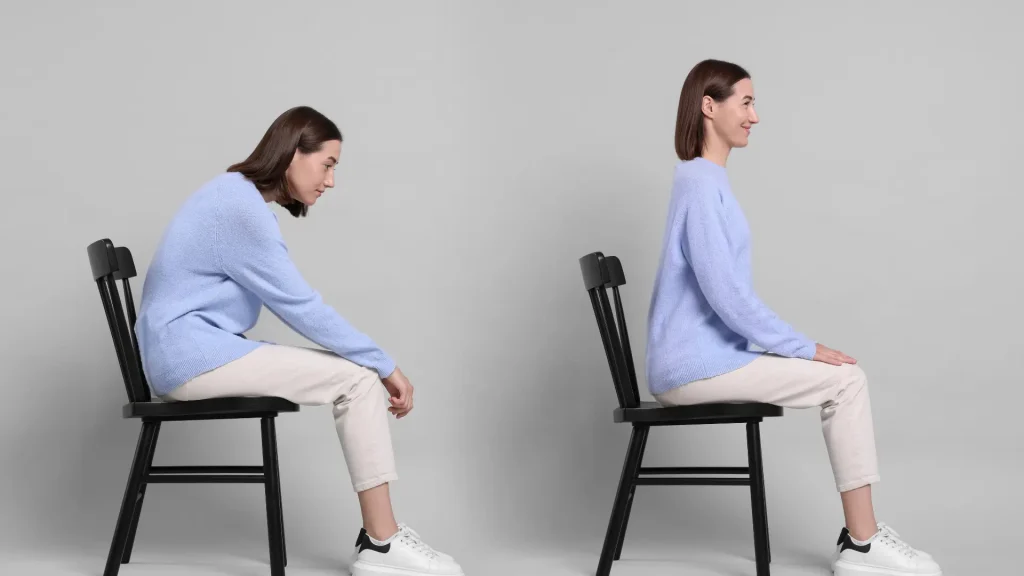 1. Posture Reset (30 seconds)
Uncross your legs, place feet flat on the floor, roll your shoulders back, and imagine a string gently lifting your head upward.
Why it works: Posture influences more than appearance. A 2023 study showed that upright posture improves alertness and attentional control compared to slouched positions.⁴ For students, this means better breathing, sharper focus, and a subtle confidence boost.
 2. Box Breathing (1–2 minutes)
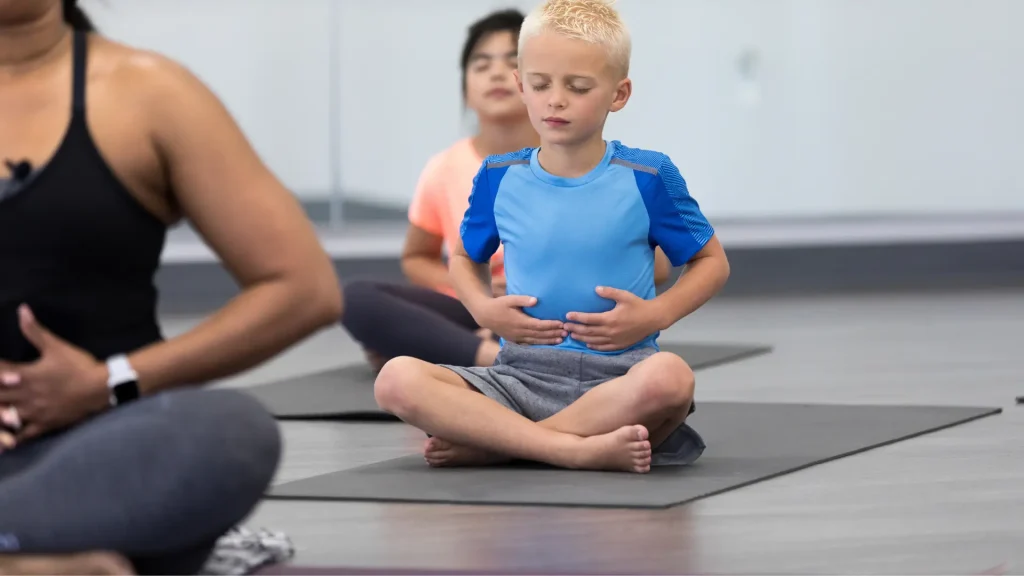 2. Box Breathing (1–2 minutes)
Inhale through your nose for 4 seconds, hold for 4, exhale slowly for 4, hold for 4—repeat.
Why it works: Controlled breathing is a simple way to balance arousal and calm nerves. Reviews confirm that structured breathing strategies lower stress, improve autonomic regulation, and support performance under pressure.⁵ For exams, presentations, or simply staying calm in class, box breathing is a quick win.
 3. Chair Stretch Break (30 seconds)
 3. Chair Stretch Break (30 seconds)
Stand up, reach arms overhead, then slowly lean side to side. Add a gentle twist to release your spine.
Why it works: In classroom studies, brief exercise breaks during lectures improved attention and enjoyment without disrupting learning.⁶ Movement interrupts the cycle of static sitting, re-oxygenates the body, and cues the nervous system to reset.
4. Micro-Walk & Visual Reset (1–2 minutes)
 4. Micro-Walk & Visual Reset (1–2 minutes)
Stand, walk around the room or hallway slowly, and let your eyes focus on something distant—like a tree outside or the far wall.
Why it works: Even short physical activity breaks improve working memory and cerebral blood flow in adolescents.³ Changing visual focus from screens to natural or distant objects helps relax eye muscles and mental tension.
 5. Grounding Pause (1 minute)
 5. Grounding Pause (1 minute)
Close your eyes. Take a breath, then name three things you can hear, two things you can feel, and one thing you can smell.
Why it works: Grounding interrupts racing thoughts and brings attention back to the present. Even short mindfulness practices like this reduce stress and restore cognitive control.⁷ Students describe feeling calmer and more centered afterward.
The Bigger Picture: Why It Matters Now
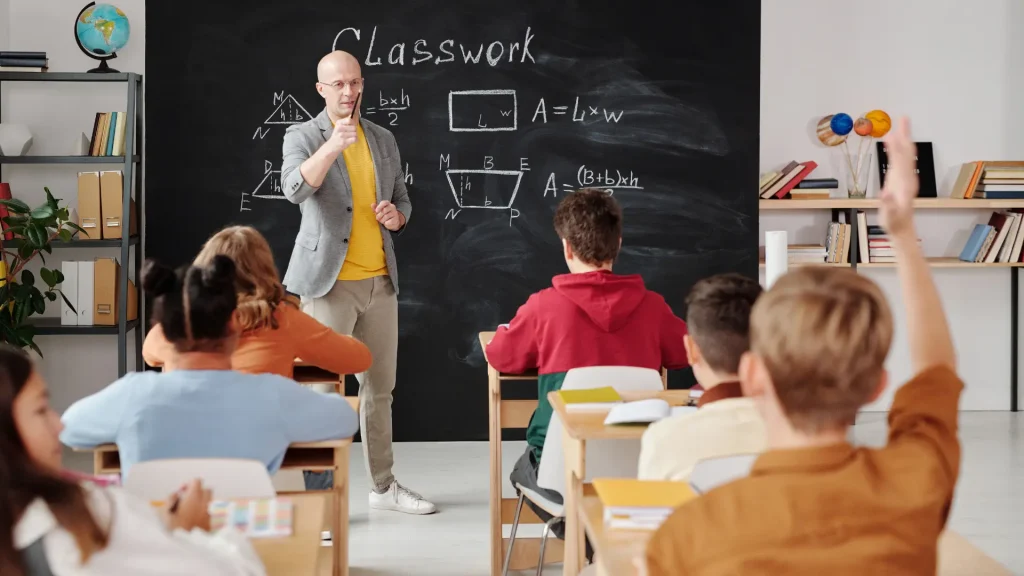 Micro-recovery isn’t just about comfort—it’s about resilience. Teenagers today face high academic pressure and unprecedented levels of screen exposure. Prolonged sitting is linked with poorer mood and reduced attention span.⁸ Without intentional resets, fatigue builds up and performance declines.
These micro-habits offer three key benefits:
- Energy Management – Instead of crashing mid-day, students learn to sustain focus through short resets.
- Emotional Balance – Nervous system regulation supports calmer moods, making school stress more manageable.
- Habit Building – Learning recovery skills early equips students with lifelong strategies for health and productivity.
Tips for Teachers and Parents
 Micro-recovery works best when supported by the school community.
- Teachers: A one-minute breathing break at the start of class or a quick stretch in the middle of a lecture can shift the whole group’s energy. Involving students to lead these breaks empowers them and fosters ownership.
- Parents: Encourage kids to take “movement snacks” during homework—get up every 30–45 minutes for a stretch, posture reset, or micro-walk. Modeling this at home makes it easier for teens to embrace.
By treating recovery as part of learning—not a distraction—teachers and parents help normalise healthy rhythms.
 Putting It into Practice
 Putting It into Practice
Here’s a simple experiment: Tomorrow, try one of these micro-habits after your first class or study block. Notice how your body feels and whether your focus shifts for the next task. Then try adding another habit later in the day.
It doesn’t take a full workout or meditation retreat to feel better. Students just need short, regular signals to the body: you are safe, you can reset, you are ready to re-engage.
Conclusion
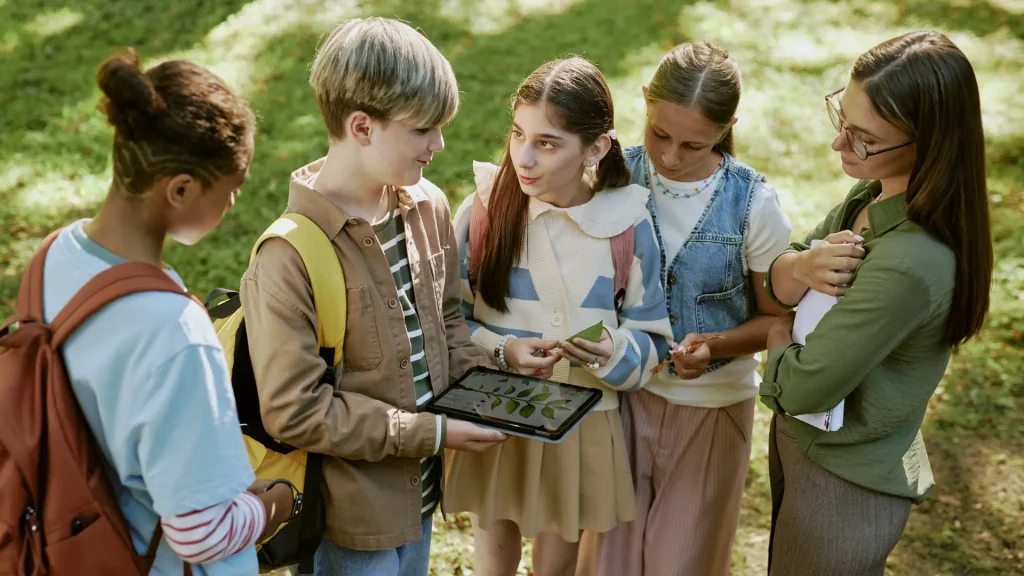 The science is clear: small, intentional breaks matter. Micro-recovery habits—posture resets, breathing, stretching, walking, and grounding—help students sustain energy, sharpen focus, and manage stress. They’re free, accessible, and proven to work in both classroom and home study settings.
In a world where attention is constantly pulled in every direction, these tiny habits empower students to protect their focus and well-being. One minute at a time, micro-recovery builds resilience for the classroom—and for life.
About the Author
 Dr. Antti Rintanen is a medical doctor and founder of The Internet Doctor. He writes about posture, nervous system regulation, and micro-recovery strategies that help people—especially students—boost focus, resilience, and overall well-being.
FAQ: Micro-Recovery for Students
1. What exactly is micro-recovery?
Micro-recovery means taking short, intentional breaks—usually under 3 minutes—to help the body and mind reset. Instead of pushing through fatigue, students pause briefly to stretch, breathe, walk, or simply change posture. These mini-pauses activate the body’s “rest and digest” mode, reducing stress and restoring focus.
2. Why are micro-recoveries important for students?
Today’s school days are long and screen-heavy. When students stay in “fight or flight” mode too long, their nervous system becomes overloaded, leading to poor concentration, low mood, and fatigue. Micro-recoveries act like pressing the reset button—they rebalance the nervous system, improve attention, and support learning performance throughout the day.
3. How often should students take micro-breaks?
Research shows that even short breaks every 30–45 minutes make a real difference. These can be as simple as a 1-minute posture reset, 2 minutes of box breathing, or a short walk to refocus the eyes away from screens. The key is consistency: small, regular pauses are more effective than occasional long breaks.
4. How can teachers and parents help students use micro-recovery?
Micro-recovery works best when it becomes part of the school rhythm.
-
Teachers can add one-minute stretch or breathing breaks between lessons.
-
Parents can model the same habit at home during homework time.
Encouraging these tiny resets helps students manage energy, stay calmer, and perform better—without needing extra time or special tools.
References
- Albulescu P, et al. “Give me a break!” A systematic review and meta-analysis on the efficacy of micro-breaks for increasing well-being and performance. PLoS One. 2022;17(8):e0272460. https://pubmed.ncbi.nlm.nih.gov/36044424/
- Sharpe BT, et al. Sustaining student concentration: The effectiveness of micro-breaks in a classroom setting. Front Psychol. 2025;16:1449096. https://pubmed.ncbi.nlm.nih.gov/40851619/
- Kjellenberg K, et al. Short, frequent physical activity breaks improve working memory and cerebral blood flow in adolescents during prolonged sitting – AbbaH teen, a randomised crossover trial. BMC Public Health. 2024;24:1385. https://www.ncbi.nlm.nih.gov/pmc/articles/PMC11295579/
- Caron EE, et al. The influence of posture on attention. Exp Psychol. 2023;70(2):139-150. https://www.ncbi.nlm.nih.gov/pmc/articles/PMC10102972/
- Migliaccio G, Cinque K, Perrotta F, et al. Sports Performance and Breathing Rate: What Is the Connection? A Narrative Review on Breathing Strategies. Sports (Basel). 2023;11(5):102. https://www.ncbi.nlm.nih.gov/pmc/articles/PMC10224217/
- Hayes SM, et al. Establishing the feasibility of exercise breaks during lectures. Front Sports Act Living. 2024;6:95. https://www.ncbi.nlm.nih.gov/pmc/articles/PMC11027499/
- Dahl CJ, Lutz A, Davidson RJ. Reconstructing and deconstructing the self: cognitive mechanisms in meditation practice. Trends Cogn Sci. 2015;19(9):515-523. https://pmc.ncbi.nlm.nih.gov/articles/PMC4595910/
- Tremblay MS, LeBlanc AG, Kho ME, et al. Systematic review of sedentary behaviour and health indicators in school-aged children and youth. Int J Behav Nutr Phys Act. 2011;8:98. https://www.ncbi.nlm.nih.gov/pmc/articles/PMC3186735/